
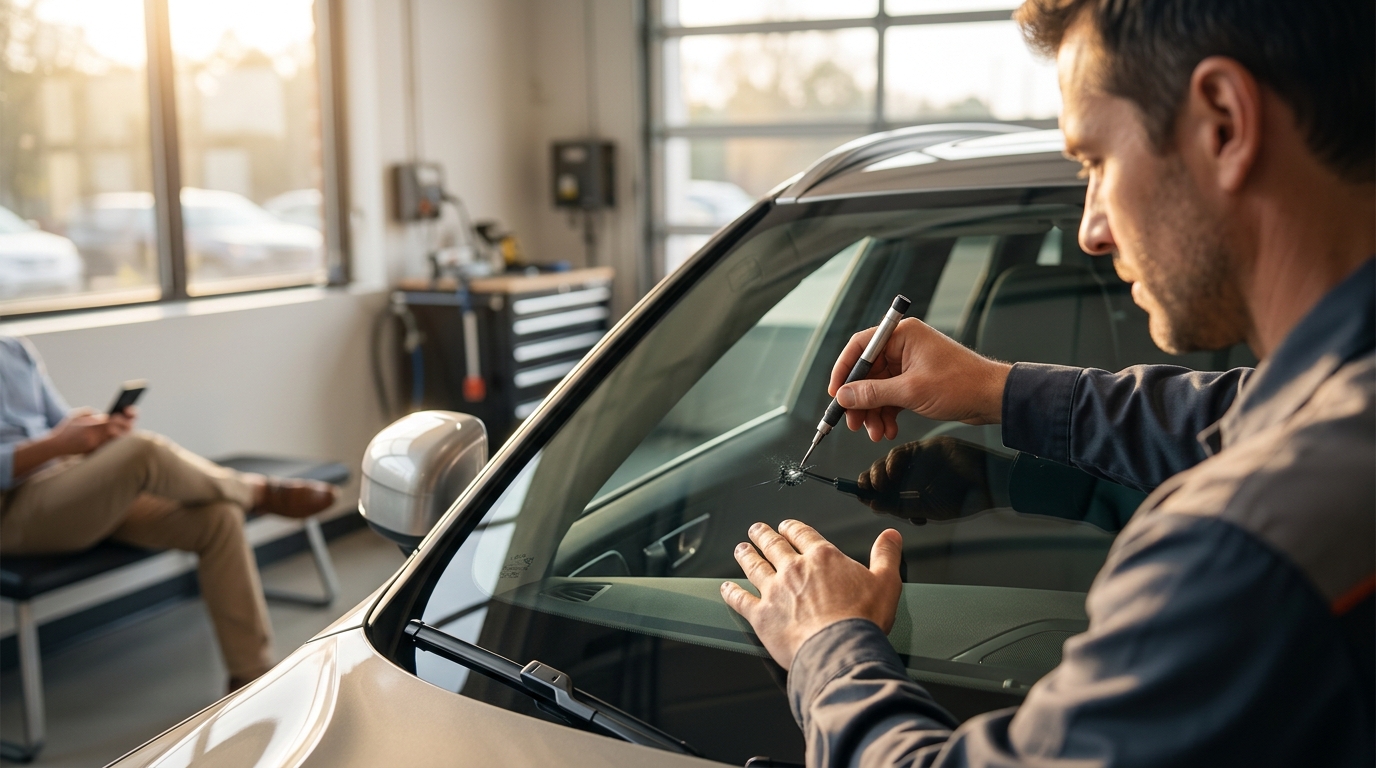
According to the National Institute for Automotive Service Excellence, over 70% of auto glass damage can be successfully repaired rather than replaced if addressed promptly. This statistic highlights a critical financial and safety opportunity for vehicle owners. Ignoring small chips often leads to cracks that spread due to temperature fluctuations and road vibrations, forcing a full replacement. Understanding the specific criteria for repairable damage allows drivers to maintain their original factory seal and avoid the high costs associated with new glass installation. (Contact Optic Kleer)
Assessing Damage Types and Severity
Not all windshield damage is created equal. The first step in deciding between repair and replacement is identifying the specific type of defect. Auto glass professionals categorize damage into distinct types, each with different repairability thresholds. (About Us Optic Kleer)
Star Breaks and Bullseyes
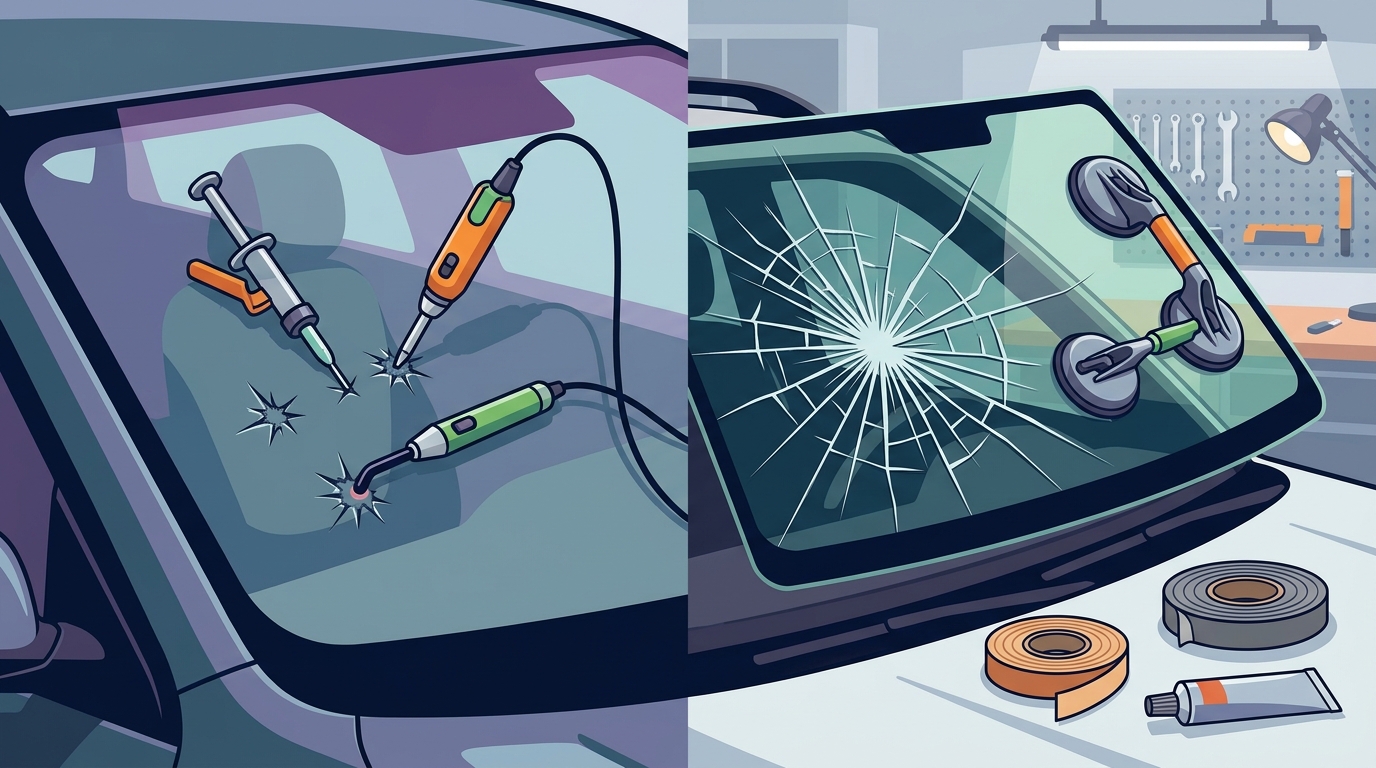
A bullseye is a circular chip caused by a round object, like a stone, hitting the glass. A star break features cracks radiating outward from the impact point. Both are highly repairable if the damage is small. The resin used in the repair process fills the void and bonds with the glass, restoring structural integrity. If the diameter is less than one inch, a repair is almost always the recommended course of action.
Combination Breaks
These occur when a chip and a crack merge. They are more complex than simple chips. However, if the crack length is short and the angle of impact is favorable, technicians can often stabilize the damage. The key factor is whether the crack has penetrated the inner layer of the laminated glass. If it has, the windshield must be replaced to ensure safety.
Long Cracks and Edge Damage
Cracks that extend across the driver's line of sight or originate within three inches of the windshield edge are generally not repairable. Edge damage compromises the structural bond between the glass and the vehicle frame. A crack longer than six inches typically requires replacement because the resin cannot bridge the gap effectively without leaving visible distortions.
Cost Analysis: Repair vs. Replacement
The financial difference between repairing and replacing a windshield is significant. Repair costs are a fraction of replacement costs, making it the obvious choice for minor damage. However, insurance dynamics play a major role in this decision.
| Service Type | Estimated Cost | Insurance Coverage | Time Required |
|---|---|---|---|
| Windshield Repair | $50 - $100 | Often $0 Deductible | 30 - 60 Minutes |
| Full Replacement | $300 - $1,000+ | Deductible Applies | 1 - 2 Hours |
| Headlight Restoration | $75 - $150 | Usually Out-of-Pocket | 45 Minutes |
Many insurance policies offer zero-deductible coverage for glass repair. This means you can fix a chip without paying anything out of pocket. In contrast, a replacement usually triggers your comprehensive deductible, which can range from $100 to $1,000 depending on your policy. Choosing repair preserves your no-claim bonus and avoids raising your premiums.
ADAS Calibration Requirements
Modern vehicles are equipped with Advanced Driver Assistance Systems (ADAS). These systems rely on cameras and sensors mounted behind the windshield to function correctly. Features like lane departure warnings, adaptive cruise control, and automatic emergency braking depend on precise glass alignment.
Why Calibration Matters
When a windshield is replaced, even a millimeter of misalignment can throw off the camera's perspective. This leads to false alerts or system failures. Therefore, any new windshield installation requires a post-installation calibration. This process involves using specialized targets and diagnostic tools to ensure the camera sees the road exactly as the manufacturer intended.
Repair vs. Calibration
Windshield repair does not disturb the glass position enough to affect ADAS sensors. Therefore, no calibration is needed after a repair. This is another major advantage of choosing repair. You avoid the additional cost and time associated with ADAS recalibration, which can add $100 to $300 to a replacement bill. Optic-Kleer provides certified calibration services for vehicles that require it, ensuring your safety systems remain accurate.
The Windshield Repair Process
Understanding the repair process helps demystify why it is a viable alternative to replacement. The procedure is precise and uses advanced resin technology to restore clarity and strength.
Step 1: Cleaning the Damage
Technicians first clean the chip or crack to remove dirt, moisture, and air. This step is crucial because any contaminants left in the damage will prevent the resin from bonding properly. A vacuum tool is often used to pull air out of the crack.
Step 2: Resin Injection
A specialized UV-curable resin is injected into the damage. This resin has a refractive index similar to auto glass, meaning it bends light in the same way. This optical match is what makes the repair nearly invisible. The resin fills every pore of the crack, restoring structural integrity.
Step 3: Curing and Polishing
Once the resin is in place, a UV light cures it, hardening the material in seconds. The technician then scrapes away excess resin and polishes the surface. The result is a repair that is strong, clear, and durable. The entire process is typically completed in under an hour.
When Replacement is Mandatory
While repair is the preferred option for minor damage, there are scenarios where replacement is the only safe choice. Ignoring these signs can compromise vehicle safety and legal compliance.
Line of Sight Obstructions
If a crack or repair bubble falls directly in the driver's primary line of sight, it may cause visual distortion. Even a small imperfection can refract light from the sun or streetlamps, creating glare that blinds the driver. In these cases, replacement is necessary for safety.
Structural Compromise
The windshield contributes to the roof's structural strength and ensures airbags deploy correctly. If the damage has penetrated the inner vinyl layer, the windshield's ability to support the roof in a rollover accident is compromised. Additionally, if the damage is near the edge of the glass, the bond to the car frame is weakened. These situations require immediate replacement.
Multiple Damages
Most insurance policies and repair standards limit the number of repairs per windshield. If you have three or more distinct chips or cracks, the structural integrity of the glass is too compromised for individual repairs. A full replacement is the only solution to restore safety and clarity.
Key Takeaways
- Act Quickly: Small chips can spread into large cracks within days due to temperature changes and road vibrations.
- Cost Savings: Repair costs are typically 90% less than replacement, often with zero insurance deductible.
- ADAS Safety: Repairs do not require ADAS calibration, saving time and money compared to replacements.
- Factory Seal: Repairing maintains the original factory seal, preventing leaks and wind noise.
- Size Limits: Chips under one inch and cracks under six inches are generally repairable.
- Edge Damage: Damage within three inches of the windshield edge usually requires replacement.
- Professional Service: Certified technicians use UV-cured resin to restore clarity and structural strength.
Frequently Asked Questions
How long does a windshield repair take?
A standard windshield repair typically takes between 30 to 60 minutes. This includes cleaning, resin injection, curing, and polishing. The process is quick and can often be done while you wait.
Will a repair leave a visible mark?
Modern repair techniques make chips nearly invisible. While a small faint spot may remain, it should not obstruct your vision. The goal is to restore clarity and structural integrity without compromising aesthetics.
Can I drive immediately after a repair?
Yes, you can drive immediately after a windshield repair. The resin cures rapidly under UV light. However, it is advisable to avoid car washes or extreme temperature shocks for a few hours to ensure the bond sets completely.
Does insurance cover windshield repair?
Most comprehensive auto insurance policies cover windshield repair with a zero deductible. This is because the cost of repair is low, and it prevents the need for a more expensive replacement. Check your policy details for specific terms.
What is ADAS calibration?
ADAS calibration is the process of aligning the cameras and sensors behind your windshield. It ensures that safety features like lane departure warning and adaptive cruise control function correctly after a windshield replacement.
How do I know if my windshield needs replacement?
If the crack is longer than six inches, penetrates the inner layer, or is in the driver's direct line of sight, replacement is likely necessary. Edge damage also typically requires replacement to maintain structural integrity.
Can I repair a crack in the corner of the windshield?
Cracks near the edge of the windshield are difficult to repair because the structural bond to the frame is compromised. In most cases, corner damage requires a full replacement to ensure safety.
Schedule Your Service
Do not let a small chip become a major problem. Optic-Kleer offers expert windshield repair and replacement services across the United States. Our certified technicians provide mobile service, coming directly to your location for your convenience. We handle all insurance claims and ensure your ADAS systems are calibrated correctly if replacement is needed.
Visit our Find Your Location page to locate the nearest Optic-Kleer center. Contact us today to schedule your appointment and protect your vehicle with high-quality auto glass solutions.