
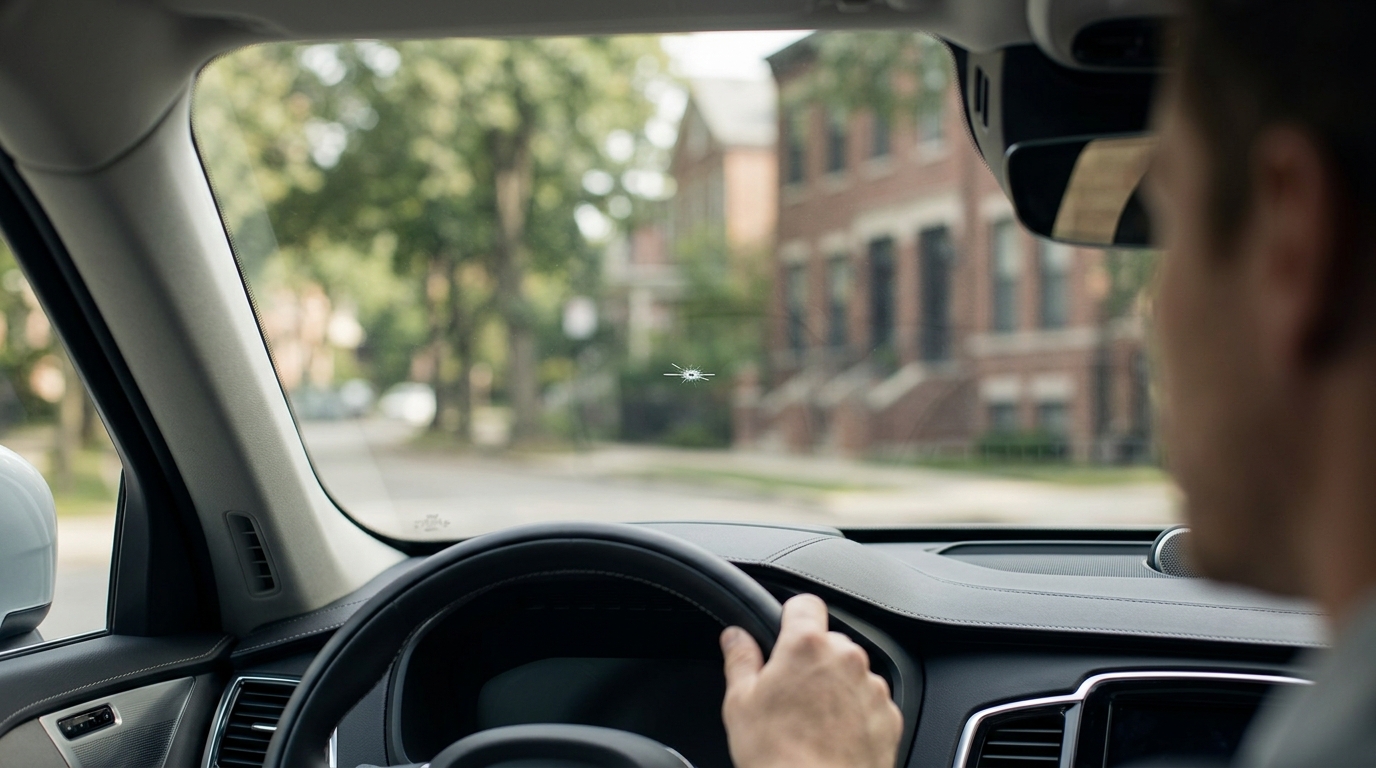
Minor windshield damage affects millions of vehicles annually, yet many drivers rush straight to full replacement without considering viable alternatives. According to industry data, approximately 70% of all windshield chips and cracks can be successfully repaired rather than replaced. This distinction is critical because it directly impacts your wallet, your time, and the structural integrity of your vehicle's safety systems. Understanding the precise threshold between repairable damage and mandatory replacement ensures you avoid unnecessary expenses while maintaining optimal visibility and safety standards. (About Us Optic Kleer)
Understanding the Repair Threshold
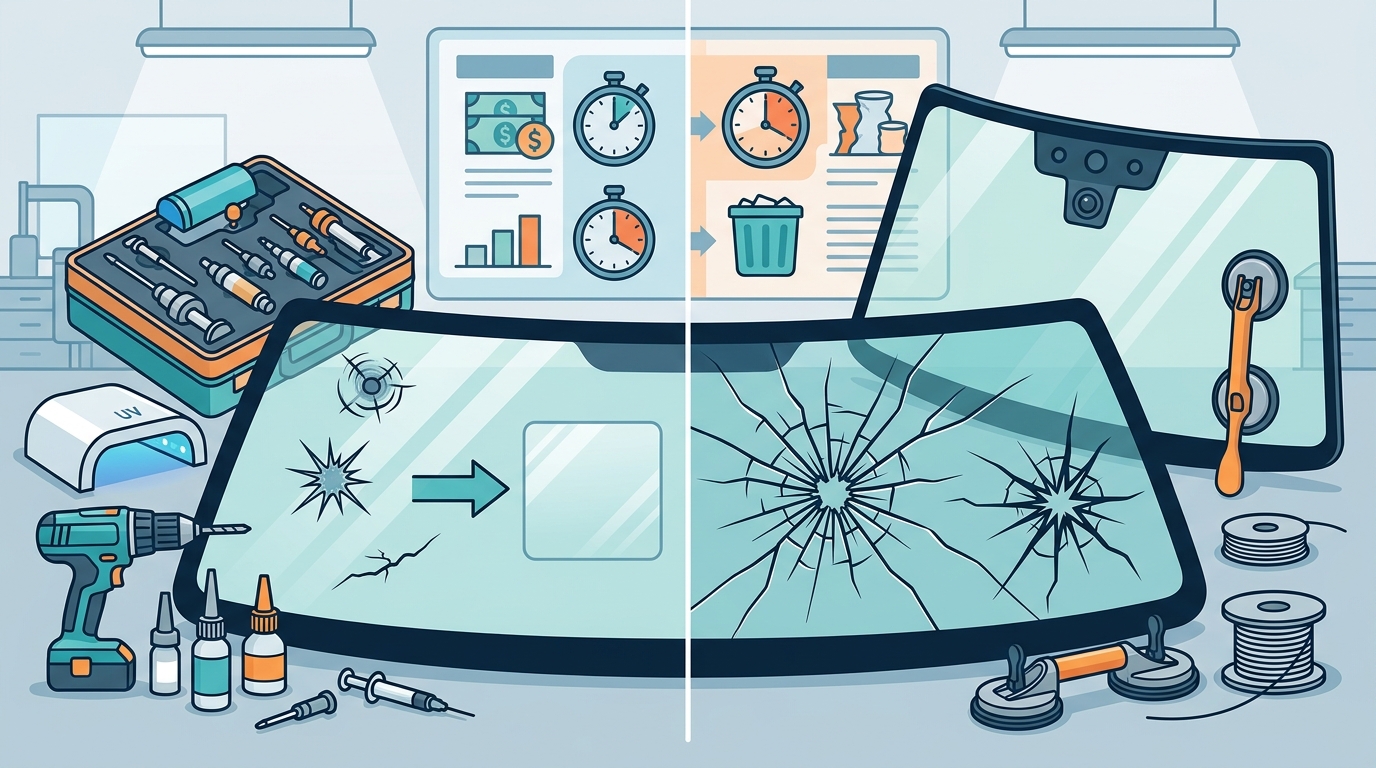
The decision to repair or replace hinges on specific physical metrics. Windshield repair is a specialized process that involves injecting a clear, UV-cured resin into the damaged area to restore structural cohesion and optical clarity. This method is only viable when the damage is confined to the outer layer of the laminated glass or when the penetration depth is minimal. (Optic Kleer Windshield Repair)
Optic-Kleer has been repairing rock chips since 1991, establishing a long-standing precedent for identifying damage that national chains often deem irreparable. The general industry rule of thumb is that any damage smaller than a quarter can typically be repaired. However, the shape and location of the damage are equally important factors. A small chip in the center of the windshield is far more repairable than a larger crack near the edge, even if the crack is shorter.
Time is also a critical variable. Fresh damage is easier to repair because contaminants have not had time to settle into the fracture. Waiting too long can turn a simple repair into a complex, or impossible, situation. If you notice a chip, immediate action preserves your options.
Types of Repairable Damage
Not all damage is created equal. Certain types of glass fractures respond exceptionally well to resin injection, while others compromise the safety of the entire assembly. Identifying these types helps you determine if you can avoid a full replacement.
Star Breaks and Bullseyes
These are the most common forms of repairable damage. A bullseye appears as a circular chip where the impact point is centered, resembling a target. A star break features cracks radiating outward from the impact point like a star. Both types are highly repairable if the outer layer of the glass remains intact. The resin fills the void and bonds with the surrounding glass, restoring strength and preventing the crack from spreading.
Combination Breaks
A combination break occurs when a chip and a crack intersect. These are repairable only if the crack is short, typically less than three inches, and does not extend to the edge of the windshield. The repair process requires careful injection to ensure the resin penetrates the entire length of the crack. If the crack is too long, the structural integrity cannot be guaranteed, and replacement becomes the safer option.
Long Cracks
While short cracks are often repairable, long cracks pose a significant challenge. A crack longer than six inches is generally considered beyond the scope of effective repair. Attempting to repair a long crack can result in visible imperfections, reduced structural strength, and a higher likelihood of the crack returning. In these cases, replacement is the only reliable solution.
The ADAS Calibration Factor
Modern vehicles rely on Advanced Driver Assistance Systems (ADAS) for safety features like lane departure warnings and adaptive cruise control. These systems depend on cameras and sensors mounted behind the windshield. ADAS Windshield Calibration is the process of aligning these sensors to ensure they function correctly after any glass work.
When considering repair versus replacement, the ADAS system adds a layer of complexity. If you opt for a replacement, the new windshield must be calibrated to OEM specifications. This requires specialized equipment and certified technicians. Optic-Kleer provides full documentation for every calibration, ensuring your safety systems perform exactly as designed. Repairing the windshield often avoids the need for calibration entirely, provided the camera mount area is not damaged. This makes repair not just a cost saver, but a time saver as well.
Repair vs Replacement Cost Analysis
The financial difference between repair and replacement is substantial. A standard windshield repair typically costs a fraction of a full replacement. Many insurance policies cover windshield repair with zero deductible, making it a free or low-cost option for policyholders. In contrast, a full replacement often incurs a deductible and can cost several hundred dollars.
| Service Type | Estimated Cost Range | Insurance Coverage | Time Required |
|---|---|---|---|
| Windshield Repair | $0 - $60 | Often Zero Deductible | 30-60 Minutes |
| Windshield Replacement | $200 - $1,000+ | Deductible Applies | 1-2 Hours |
| ADAS Calibration | $100 - $300 | Varies by Policy | 1-2 Hours |
Optic-Kleer prides itself on offering great value by repairing windshields ahead of replacement whenever possible. This commitment to quality service at the right price ensures customers save money without compromising on safety. Additionally, Optic-Kleer does not charge call-out fees for mobile service, further reducing the total cost of ownership for your vehicle maintenance.
When Replacement is Mandatory
While repair is a viable alternative for minor damage, there are scenarios where replacement is non-negotiable. Ignoring these signs can lead to legal issues, failed safety inspections, or compromised occupant safety in the event of an accident.
Damage in the Driver's Line of Sight
If the damage is directly in the driver's primary line of sight, repair may distort vision. Even a minor imperfection can refract light and create glare, especially at night. In such cases, replacement is the only safe option to ensure clear visibility.
Edge Cracks
Cracks that extend to the edge of the windshield compromise the structural integrity of the glass. The windshield contributes to the roof's strength and ensures the airbag deploys correctly. Edge damage cannot be repaired because the resin cannot bond effectively to the broken edge, leaving the glass vulnerable to shattering.
Multiple Damages
Most manufacturers and insurance providers limit the number of repairable damages on a single windshield. If you have three or more distinct chips or cracks, replacement is often required. Multiple repair points can weaken the glass and create visual distortions that impair driving.
Key Takeaways
- Repairability Threshold: Damage smaller than a quarter and not extending to the edge is typically repairable.
- Time Sensitivity: Addressing damage immediately prevents spreading and increases repair success rates.
- ADAS Impact: Replacement often requires costly calibration, while repair may avoid this need entirely.
- Cost Efficiency: Repair costs are significantly lower and often covered with zero deductible.
- Structural Integrity: Edge cracks and deep penetrations require replacement for safety compliance.
- Mobile Convenience: Optic-Kleer offers mobile service with no call-out fees for customer convenience.
- Historical Expertise: Optic-Kleer has specialized in rock chip repair since 1991, mastering complex cases.
Frequently Asked Questions
Can I repair a crack that is longer than six inches?
Generally, no. Cracks longer than six inches are difficult to repair effectively and may compromise the windshield's structural integrity. Replacement is the recommended solution for long cracks.
Will repairing my windshield void my warranty?
No. Optic-Kleer provides warranties on both repair and replacement services. Our repairs are designed to last and are backed by our commitment to quality service.
How long does a windshield repair take?
A standard repair typically takes 30 to 60 minutes. This includes the time for resin injection and curing. The process is much faster than a full replacement.
Do you offer mobile windshield repair services?
Yes. Optic-Kleer operates mobile service vans that can come to your home, workplace, or dealership. We do not charge call-out fees for these services.
Is windshield repair covered by insurance?
Many insurance policies cover windshield repair with zero deductible. Optic-Kleer deals directly with auto insurance companies to help you handle your claim efficiently.
What is the difference between a chip and a crack?
A chip is a small, localized area of damage caused by an impact, while a crack is a linear fracture that extends across the glass. Chips are more likely to be repairable than cracks.
Can I drive with a chipped windshield?
You can drive with a minor chip, but it is risky. Temperature changes and road vibrations can cause the chip to spread into a large crack. It is best to have it repaired as soon as possible.
Schedule Your Service
Don't let minor damage become a major expense. If your windshield has a chip or small crack, contact Optic-Kleer today to determine if repair is a viable option. Our certified technicians are ready to provide expert assessment and high-quality service. Contact us online or call our corporate office to find your nearest location and schedule your appointment.